The number on an e-bike tyre can look like an easy answer: pump it up to that figure and ride. But a maximum pressure, a suggested starting pressure and the pressure suitable for your loaded bicycle are different things.
There is no single correct PSI or bar value for every e-bike. Start with the approved guidance for your exact tyre, rim and tube or tubeless setup, then account for the load and riding conditions. Use a gauge to check the result. A generic “e-bike pressure” table cannot do that job for you.
Identify the equipment before choosing a number
Schwalbe's tyre-pressure guidance explains that load, tyre dimensions and use affect the appropriate pressure. “E-bike” alone does not describe those inputs: two electric bicycles can have very different tyres and carry different loads.
Read the full sidewall markings on both tyres. Record the manufacturer, model, size and pressure information exactly as printed, including the unit. If you need help interpreting the size, our guide to reading e-bike tyre sizes covers that separate task.
Next identify the wheel or rim and whether the tyre uses an inner tube or a tubeless system. Consult the bicycle and component instructions. If the tyre has been replaced, the original bicycle specification may no longer describe the assembly you are riding.

Photograph markings that are safely visible with the bike stationary. You do not need to remove a tyre to start the enquiry. If a label is unreadable or the rim is unidentified, a bicycle workshop can help establish the details before you make a pressure decision.
A maximum is a limit, not a target
Continental's tyre-and-rim guidance requires checking the compatibility and requirements of both components. Where their maximum permitted pressures differ, the lower applicable maximum governs. That does not mean you should automatically inflate to it.
A sidewall marking does not describe every assembly. Check the rim and tube or tubeless instructions too, including any applicable minimum. Use the documented limits for your actual combination.

Separate three kinds of information:
| Information | How to use it |
|---|---|
| Permitted pressure limits | Constraints that apply to the confirmed components and configuration. |
| Manufacturer's recommended pressure | Guidance to check against the stated tyre, load and riding assumptions. |
| Your gauge reading | A measurement to compare with that guidance, using the same unit. |
If a recommendation conflicts with a component limit, ask the manufacturer or a qualified workshop. Do not average conflicting figures or select the larger number.
Use the load you actually take on the ride
Continental's bicycle FAQ identifies system weight and riding conditions as factors in pressure choice. Think beyond the rider alone: the bicycle, fitted equipment and what you carry form the actual setup.
Make a short inventory for your usual trip: riding clothing, work bag, lock, water and shopping. Give the manufacturer the information its pressure chart or guidance asks for. Check whether it provides separate front and rear recommendations; do not assume the same number applies to both wheels.
A heavier shopping trip may call for reviewing your usual setting, but it does not justify exceeding a tyre or rim limit. Our e-bike weight-limit guide explains how to check the bicycle's load allowance. Pressure and carrying capacity are related decisions, not interchangeable permissions.
When using an online pressure calculator, check which tyre systems it supports and which weights and dimensions it expects. A missing or guessed input can produce a precise-looking answer that does not describe your bike. Treat the result as something to validate against the relevant manufacturers' instructions.
Measure rather than squeeze
Schwalbe recommends checking inflation with a gauge and notes that a thumb-pressure check is unreliable. A tyre that feels firm in your hand is not a measured pressure. The same applies to judging it from a photograph or comparing it with a friend's bicycle.
Use a bicycle pump or gauge suitable for your valve and the required pressure range. Identify the unit before reading or adjusting it: a number copied from a bar scale should not be read as PSI. Follow the equipment instructions for connection and measurement, and seek help if the valve or gauge operation is unfamiliar.
Keep a record of both wheels instead of relying on memory. Note the date, unit, load and the guidance used to select the setting. This makes it easier to recognise a change and explain it to a workshop.

Make temperature part of the context
Continental's bicycle technical guidance notes that temperature changes affect inflation pressure. A reading taken in a warm room and one taken in colder surroundings are not directly comparable without considering those conditions.
Check before riding and record the measurement conditions, especially when moving the bike between indoor storage and outdoor use. Follow any temperature-related instructions for your equipment. Do not borrow a car-tyre waiting period, add a fixed correction per degree or automatically reduce pressure because it is winter.
If you want to compare readings over time, use comparable measurement conditions and clearly note anything that changed. This is a useful record for interpreting readings; it does not establish an exact temperature-adjusted target for an unidentified tyre.
Confirm the setup on your TTGO bicycle
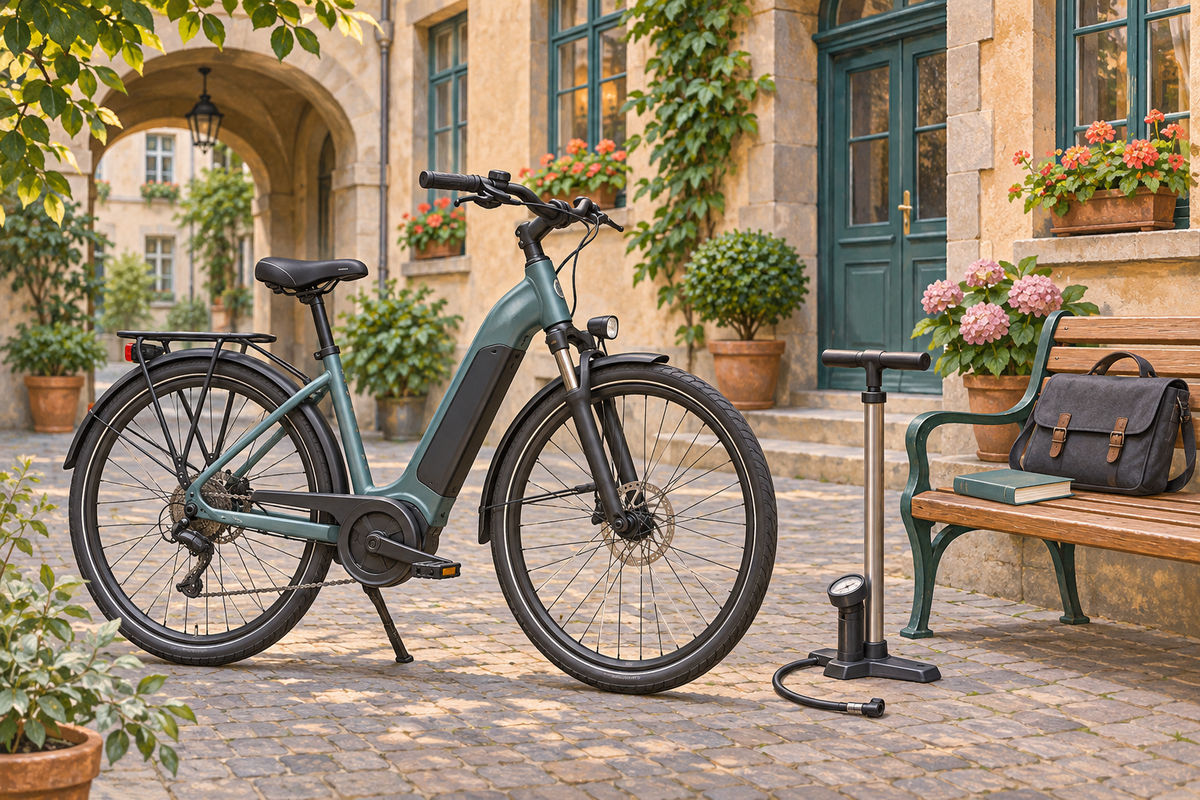
If you are considering the TTGO C3 SE in White, use the exact version and the markings on the tyres actually fitted to your bicycle. The product photograph identifies the model, but it cannot establish an approved inflation pressure or the rim's pressure limit.

Start with TTGO's model manuals and, if the required information is missing, ask TTGO support. Include the tyre and rim details, tube or tubeless configuration, intended load and riding surface. Ask for the applicable limits and recommended pressure, including whether the front and rear settings differ.
Once you have confirmed guidance, check it against your normal riding setup and keep it with your pressure record. Revisit the decision when you change tyres, wheels or how the bicycle is loaded. The useful answer is a documented setting for your equipment, not a universal number for all e-bikes.
Checked on 7 November 2026. No pressure value in this guide is assigned to a TTGO model. Illustrations explain the decision; they are not measured readings or component-compatibility approvals.
Share:
Why Do E-Bike Disc Brakes Squeal After Rain?
TTGO Black Friday: How to Use Code ttgo for 10% Off